
By Mariama Nadworna, Communications Manager
Housing was firmly on the agenda at this year’s Labour Party Conference.
That was clear at our New Statesman panel on fixing the housing affordability crisis, where our CEO, Kate Markey, joined Dame Siobhain McDonagh MP, Tom Copley and Cllr Eamonn O’Brien to discuss what it will take to deliver homes people can genuinely afford.
And it was clear across the wider conference. Housing featured prominently in Andy Burnham’s speech, alongside discussions throughout the week on social housing, homelessness, empty homes, regeneration, devolution and community power.
There was ambition and a real sense of opportunity. But across the conversations our team heard, there was also a consistent challenge: how do we turn that ambition into lasting change for the people who need it most?
Keeping affordability at the heart of housing delivery
Our New Statesman panel began with a big question: what will it take to fix Britain’s housing affordability crisis?
The discussion covered housing supply, public land, temporary accommodation, Local Housing Allowance, planning, local investment and the role of councils. But running through it was an even more fundamental question: who will actually benefit from the homes and policies being proposed?
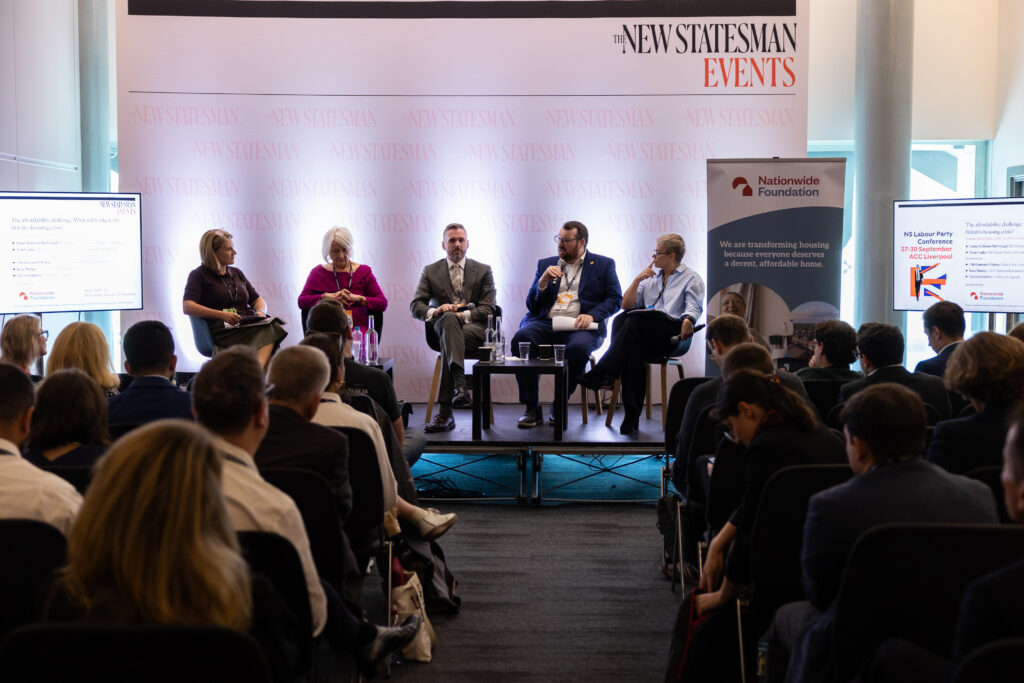
Kate Markey argued that success should ultimately be judged by whether people can afford a decent home over the long term. She also cautioned against short-term decisions that can have unintended consequences and stressed the importance of continuity and consensus in housing policy.
Building more homes is essential. But more homes do not automatically mean more homes that people can genuinely afford. The panel brought this tension into focus, including the challenges of maintaining affordable housing when developments become less viable. The panel welcomed announcements on Your First Home but noted the devil is in the detail on this latest help to buy proposal.
As policy develops, long-term affordability, quality and the needs of people looking for a home must remain central to how success is measured.
Turning commitments into delivery
Housing also took a prominent place in Andy Burnham’s conference speech.
He set out proposals covering council housebuilding, rough sleeping, empty homes, standards in the private rented sector, leasehold reform and access to home ownership.
Across the wider conference, there was a strong focus on what it will take to deliver this ambition in practice.
Housing Minister Matthew Pennycook spoke about moving from major policy reform towards practical delivery, including improving planning processes and tackling the capacity constraints facing councils. Discussions highlighted issues including affordable housing delivery, Section 106 agreements and support for smaller builders.
These practical questions matter. Housing commitments need the right conditions behind them: sustained investment, affordable finance, skilled and properly resourced councils and housing associations, effective planning and organisations with the confidence and capacity to deliver.
The key to all of these is of course money and the Chancellor’s first budget on October 28th.
Making more of the homes and places we already have
New housing supply remains essential. But we also heard growing recognition of the opportunities already sitting within our towns, cities and neighbourhoods.
Empty homes, estate renewal and town centre regeneration were repeatedly connected with the need for more affordable housing. Andy Burnham also specifically addressed empty homes in his speech, proposing greater powers for councils to bring them back into use. This closely connects with our own work.
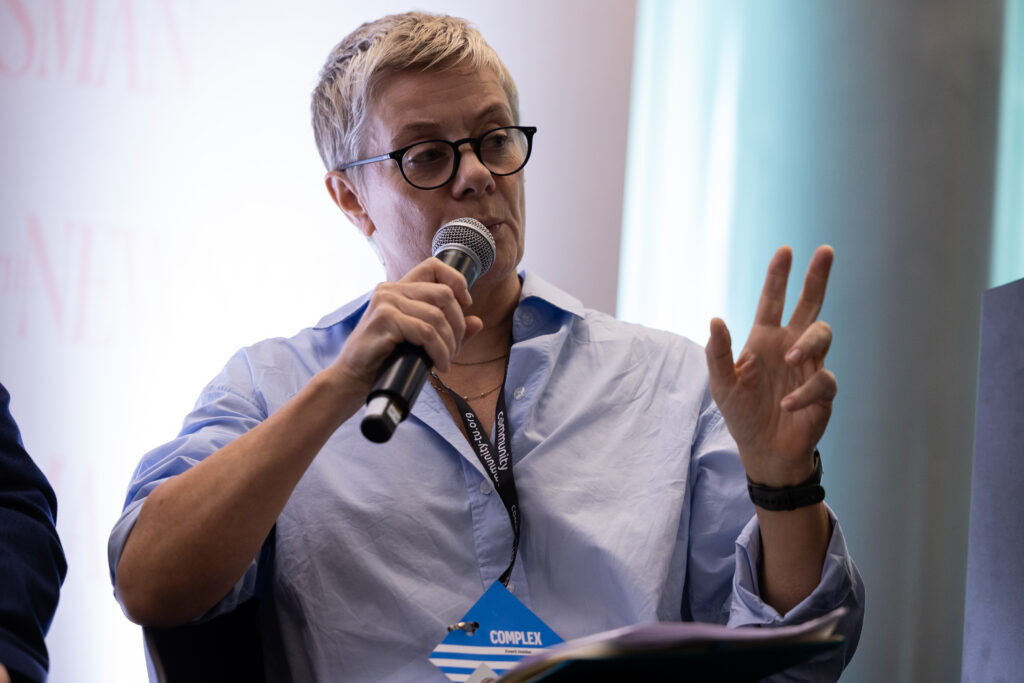
During our panel, Kate Markey highlighted how mission-led developers are turning empty homes and small sites into homes whose affordability is protected for the long term. She also highlighted the barriers smaller organisations can face, including access to affordable finance and processes that can be disproportionately costly.
Through our work on Empty Homes (opens in a new window) and Built with Social Purpose (opens in a new window), we are building the evidence around what works, understand what gets in the way and help create the conditions in which more mission-led organisations can deliver more genuinely affordable homes.
Giving places the tools to deliver
Devolution was another recurring theme. In discussions involving Mayor of Liverpool City Region Steve Rotheram and housing sector leaders, housing was considered alongside transport, skills, employment and regeneration, reflecting the importance of thinking about homes as part of a wider place rather than in isolation.
But handing down responsibility alone will not deliver change.
Throughout the conference, we heard about practical constraints at a local level, including council capacity, fragmented funding, skills shortages, land assembly and lengthy planning processes. Discussions on devolution also stressed the importance of keeping decisions about housing, planning and investment connected to residents and local councils.
If places are to have greater responsibility for housing and regeneration, that needs to be matched by the investment, capacity and appropriate powers to deliver.
And housing cannot be considered in isolation. Decent, affordable homes need to be planned alongside transport, employment opportunities, services and infrastructure that allow communities to thrive.
Making change with communities
Another message came through strongly: lasting change cannot simply be done to communities.
Discussions on community power brought the focus back to what matters to people in their everyday lives: decent homes, affordable rents, jobs, safe streets and public services that work.
We also heard examples of communities helping to identify potential housing sites, building local support for affordable housing and securing practical improvements to the places where they live.
People need meaningful opportunities to influence plans from the beginning, not simply to be asked for their views after the key decisions have been made.
That means listening to what people actually need and ensuring those experiences help shape the policies, programmes and places intended to serve them.
Why home is everything
Perhaps one of the most powerful reminders of why all of this matters came in Andy Burnham’s conference speech:
“With a good home, everything is possible. Without one, it feels like nothing is.”
He connected having a good home with children getting a good start in life and families’ physical and mental health.
It reflects something at the heart of the Nationwide Foundation’s work: home is everything.
A decent, affordable home is about far more than bricks and mortar. It can provide the foundation for better health and wellbeing, stronger relationships, greater opportunity and the ability to look to the future.
We came away from conference encouraged by the prominence given to housing and the scale of the ambition we heard.
What matters now is what follows: keeping affordability at the heart of housing delivery, making better use of existing homes and places, enabling mission-led organisations and local areas to deliver, and ensuring people and communities have a meaningful role in shaping change.
Because ultimately, housing policy is about more than homes.
It’s about what having a home makes possible.
And that’s something we’ll be talking much more about over the coming weeks.
